Skip to content

Silver Wolf Projects

SUCE – Sydney University Civil Engineers

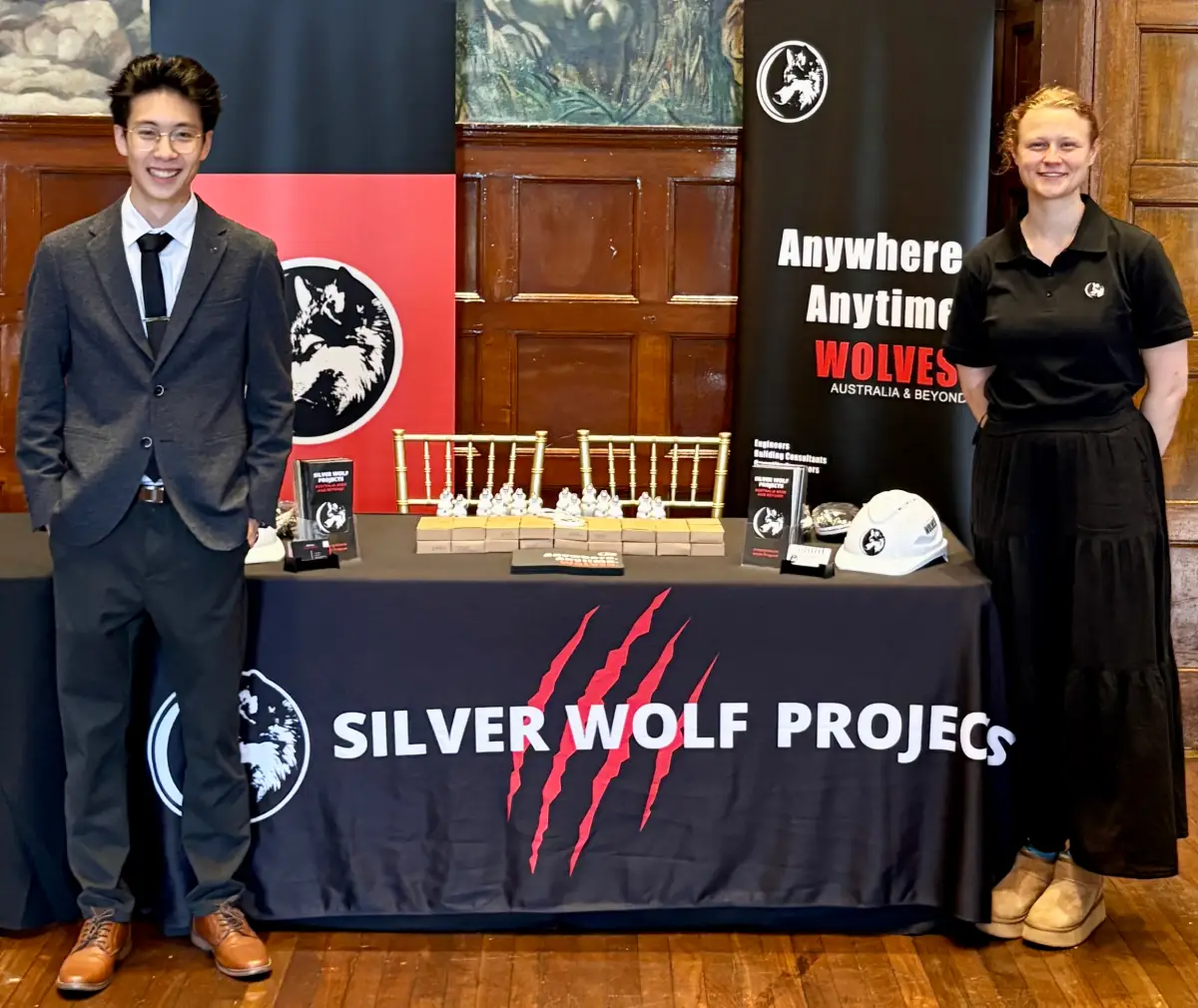
As proud Alumni of School of Civil Engineering USYD, CEO Deniz Bekir, Matthew Bartlett – Associate Director, Engineering, Alexander Lam – NSW State Manager/Engineer including Zoe Williams & Steven Zhang – Structural/Civil Engineers, Silver Wolf Projects has been proudly continued our commitment and relationship with the University and Sydney University Civil Engineers (SUCE) by way of our ongoing Gold sponsoring and partnering since 2023.

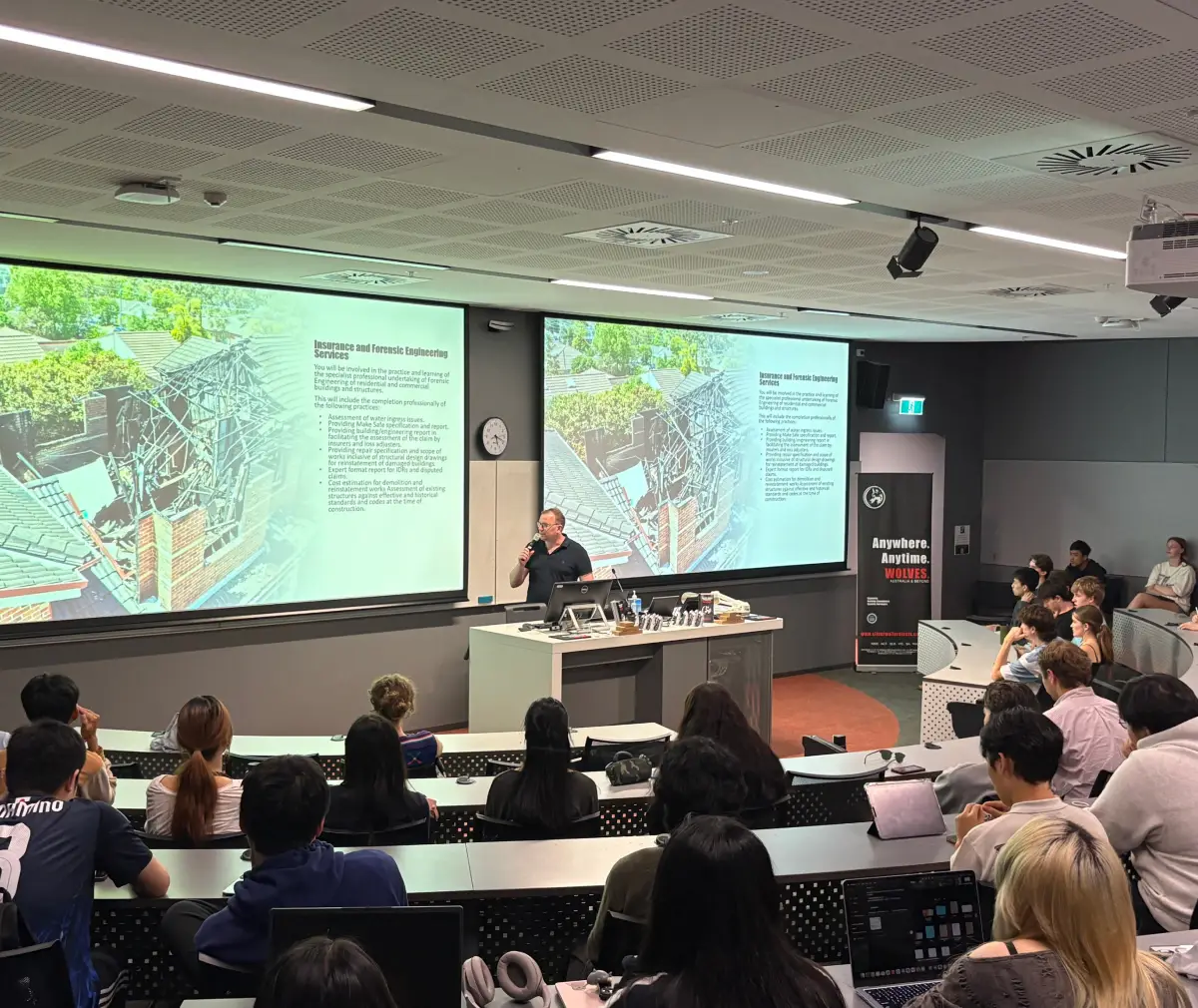
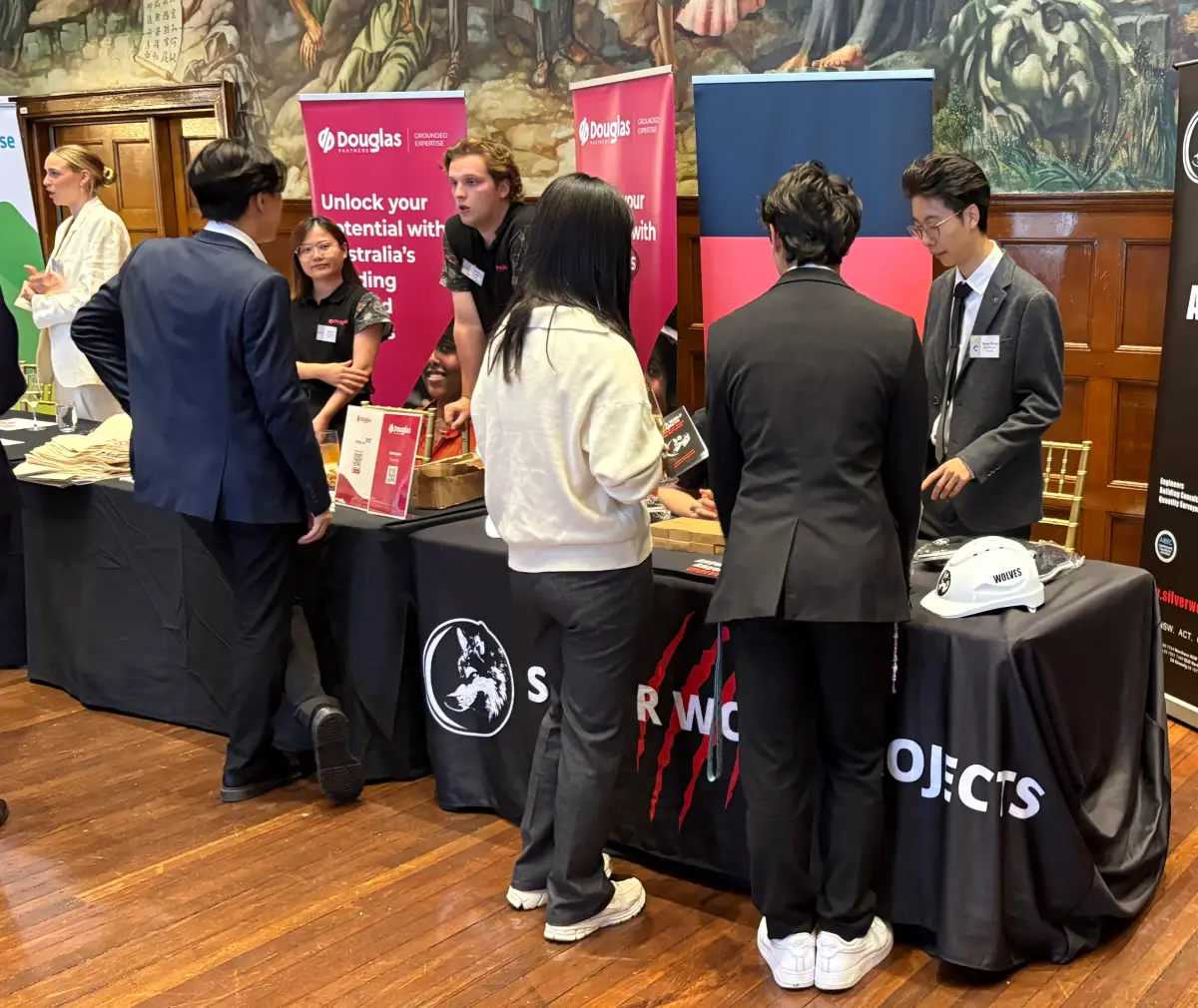
Through our engagement in SUCE Industry Nights, we as a company have the opportunity to meet, engage and share our stories and passion as Engineers including participating in panel discussion to speak about our organisation, its business in providing national forensic engineering, design and building consulting services within the insurance industry and our approach in offering and supporting students, graduates roles with the company and faculty about being a part of the Wolf Pack!

We look forward to continuing our ongoing support with Sydney University Civil Engineers (SUCE) and being part of their valuable initiative to network Alumni, industry and students/graduates together in such collaborative setting.

Our partnership with SUCE is the basis of our Intern and Graduate program to develop new Wolves into our Pack which is an integral part of our business and their development as professional Engineers and as Experts within the insurance industry.
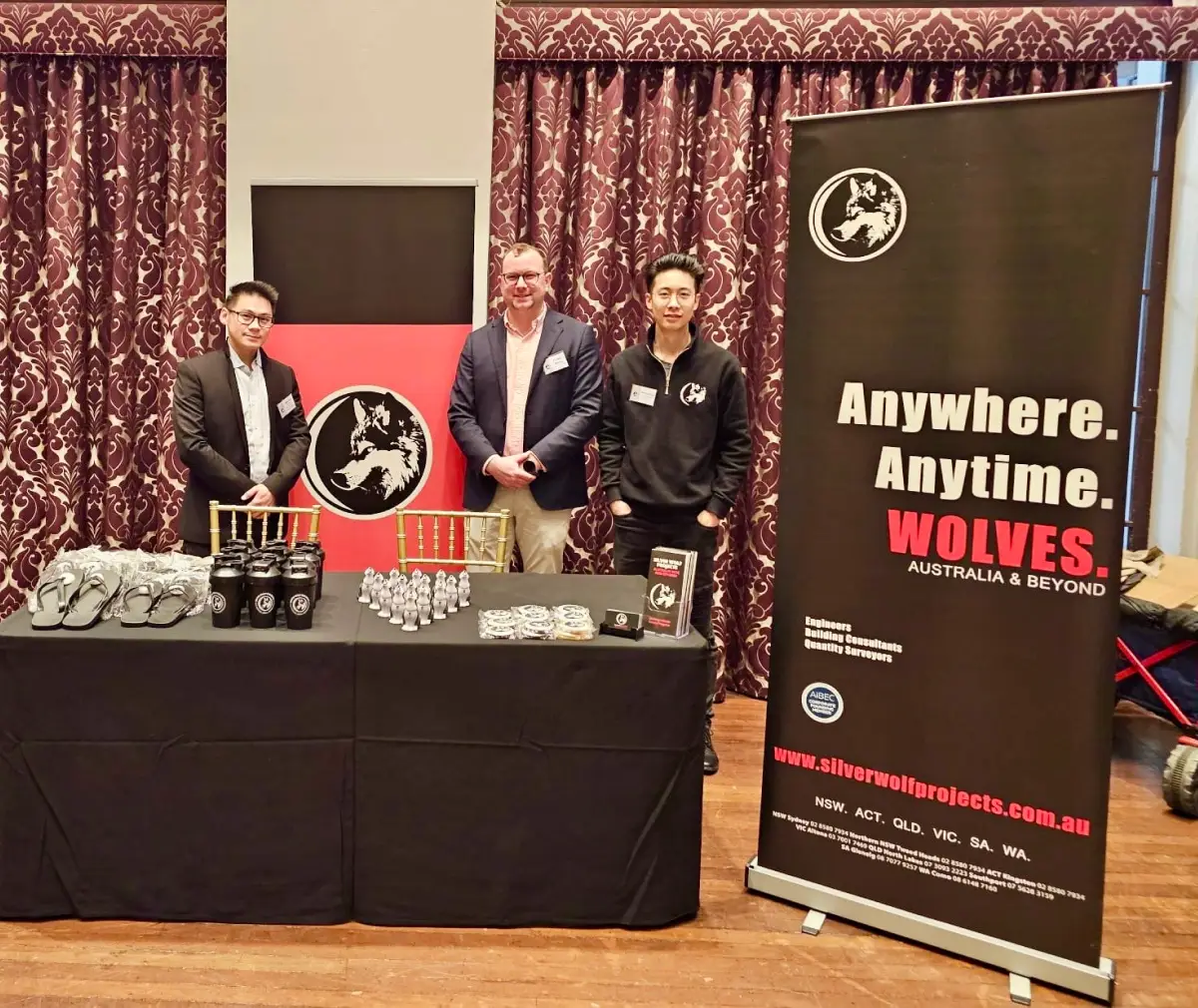
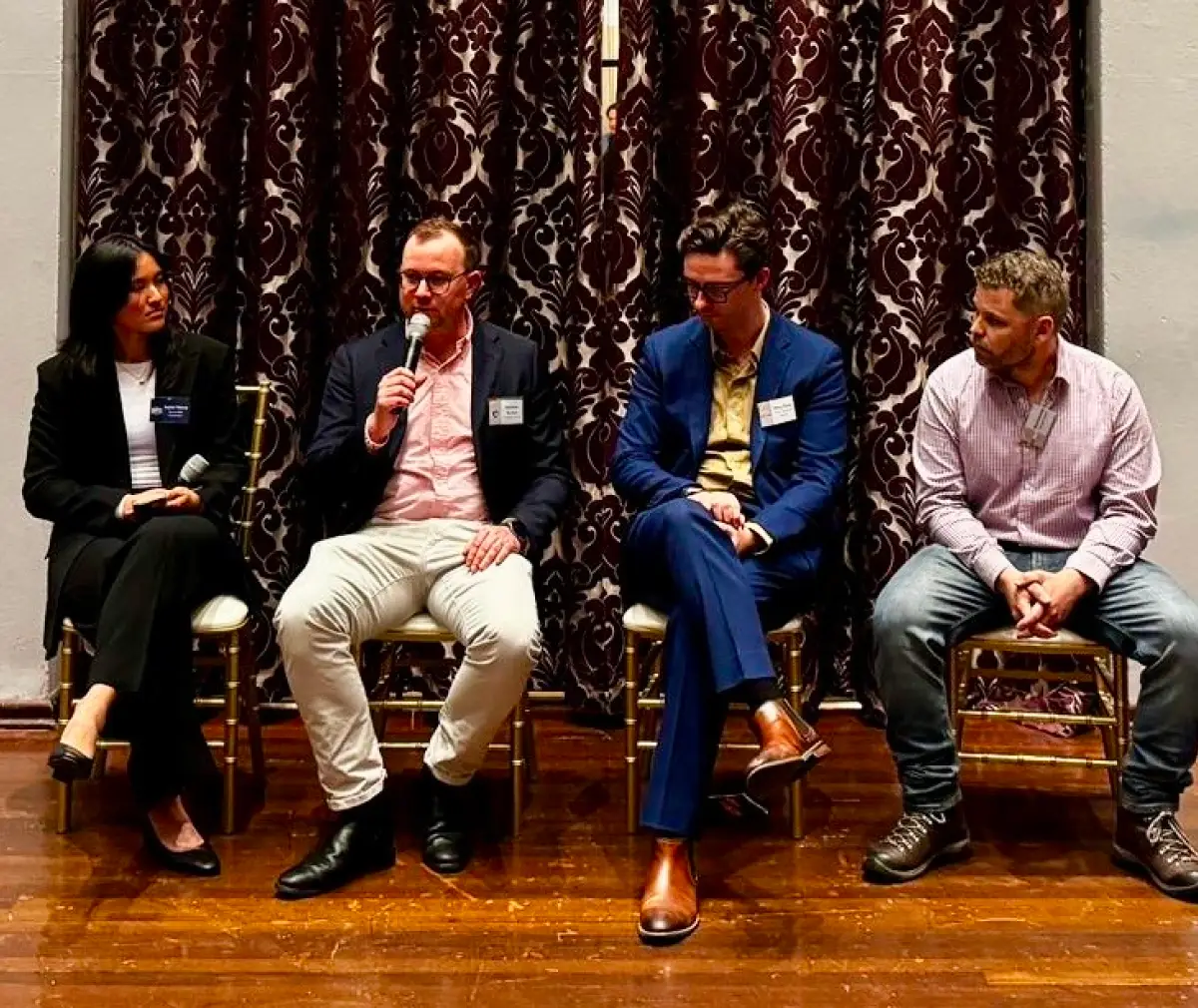
Image 1
Image 3

Upcoming 2026 - Industry x Academia Partnership with The University of Sydney - Commissioned Research Study - Escape of Liquid Insurance Claims
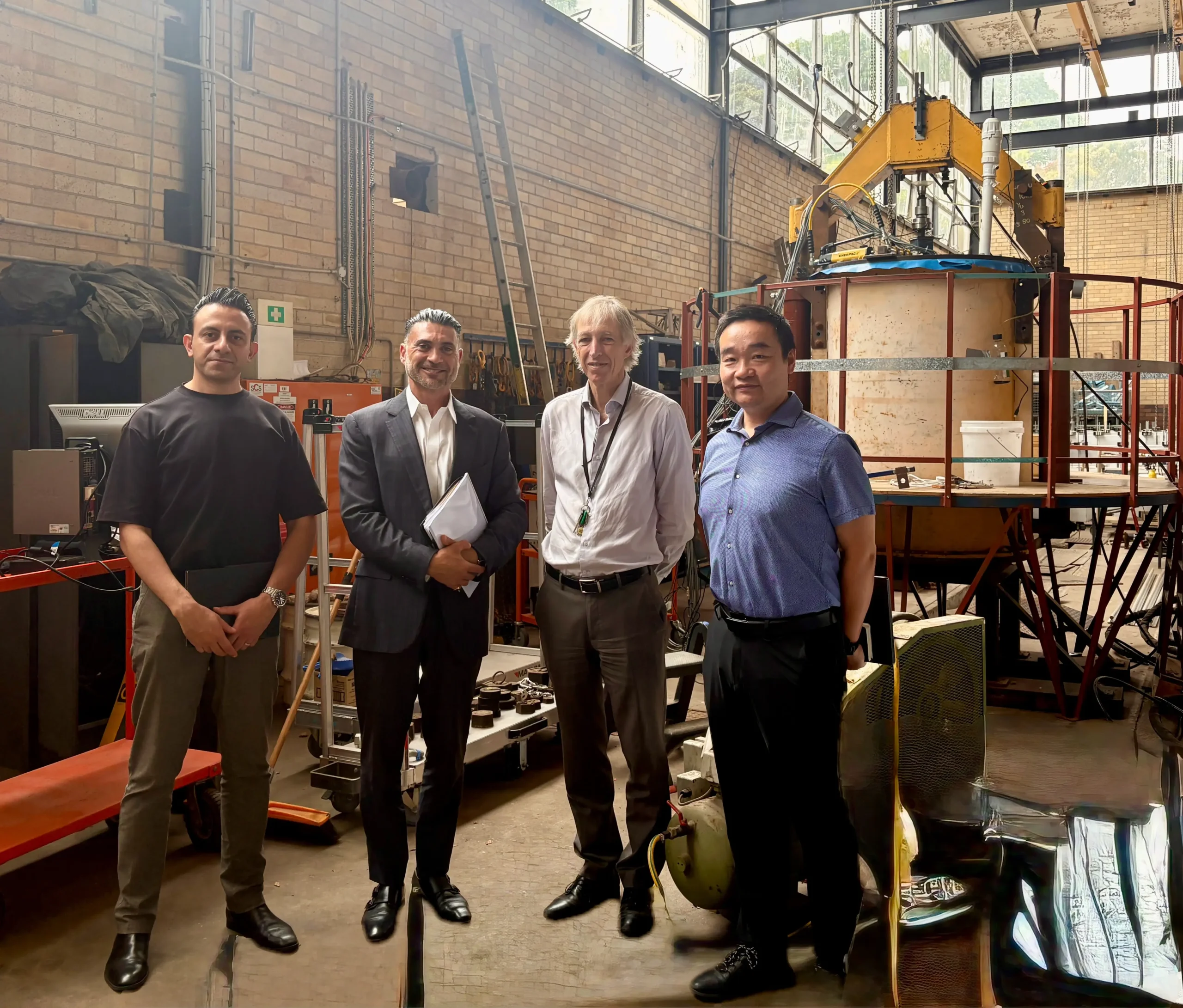
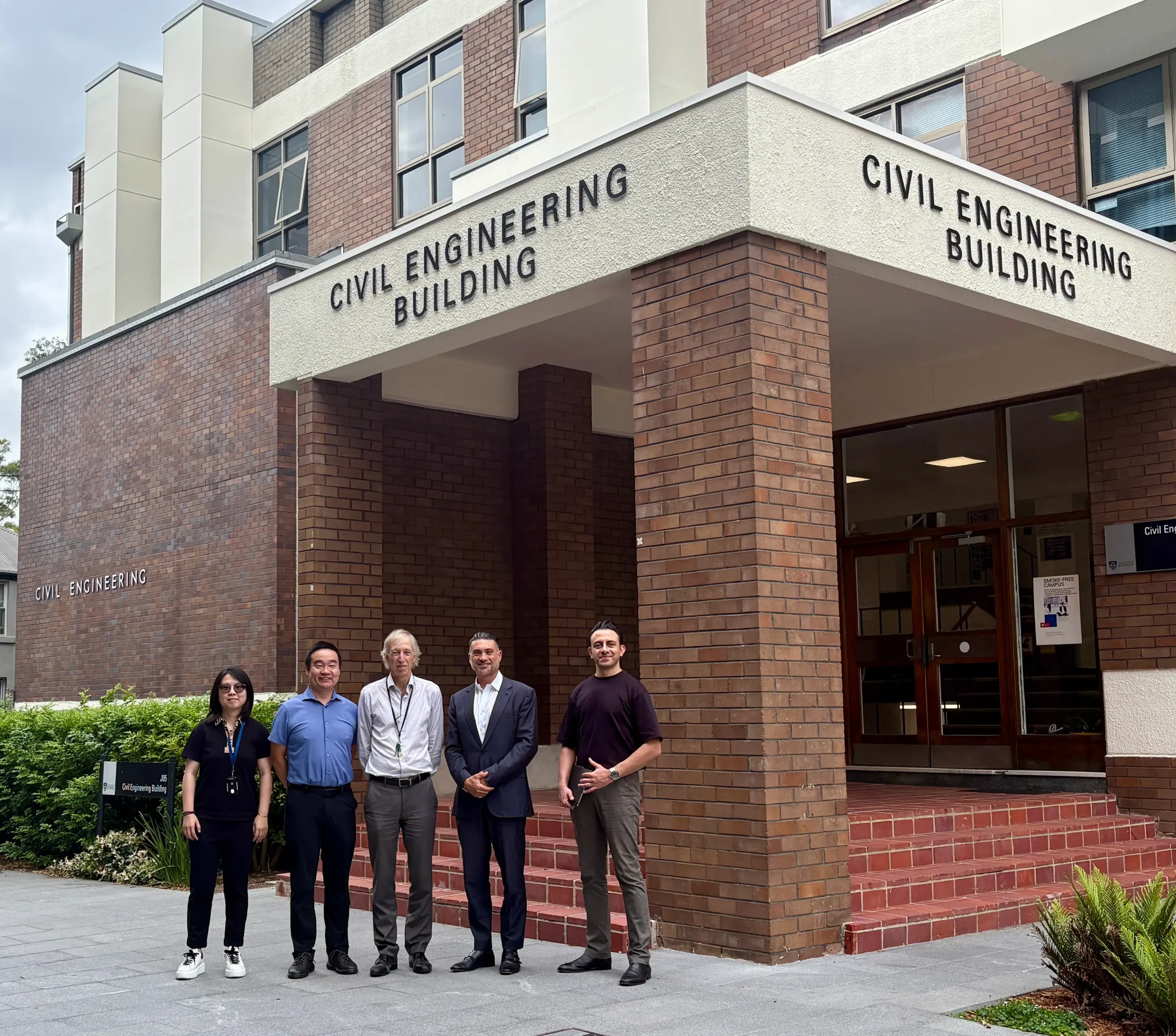
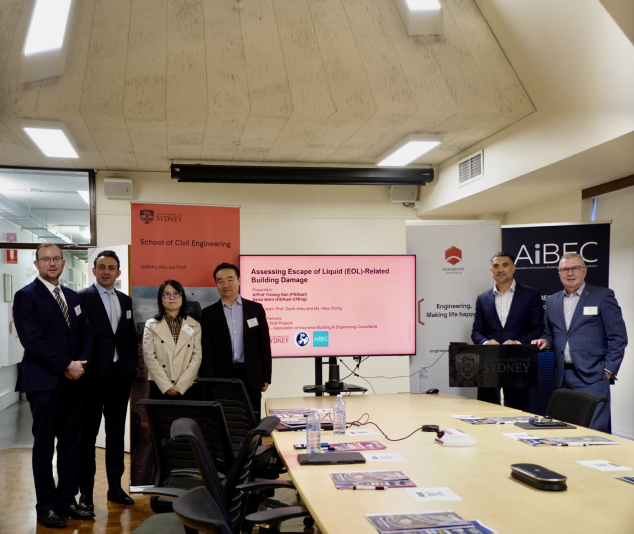
Silver Wolf Projects as a Corporate Founding Member (CFM) of AiBEC, The Association of Insurance and Building and Engineering Consultants has been instrumental in the conception, development and collaboration with The University of Sydney and Industry to complete an “Empirical Study and Engineering Guide to The Effects of Moisture Exposure and Water Saturation from an Insurance Claim Flooding or an Escape of Liquid and its Correlation Between Ground Movement, Ground Conditions, Time of Exposure, Type of Building Structure and Resulting Movement.
The University will conduct research towards a scientific, empirical basis for evaluating damage from escape of liquid incidents like burst pipes or flooding. The project will deliver a detailed study towards an industry guide with visual and graphical overviews to establish an empirical correlation between varying ground conditions, duration and type of exposure, and building type.
The key deliverable will be a diagram predicting the zone of influence for evaluating damage from escape of liquid incidents, for a range of soil conditions and exposure conditions.
Escape of Liquid or Flooding events as experienced in insurance claims for residential and commercial buildings are a significant cause of damage, reporting and conflict between insurers and insureds given the effects of ground movement relating to the wetting of the ground and extent and zone of influence of the effect relative to resulting building movement and damage.
By the development of an Empirical Study and Guide, we consider this will provide a scientific baseline or guide to establish the effects, correlation, and determination of damage due to escape of liquid or flooding events on ground movement claims in the insurance industry.
The study and proposed guideline, discussed over a number of meetings with Associate Professor Gan – Associate Head of School (External Engagement) | School of Civil Engineering | Faculty of Engineering and Research Integrity Advisor | Research Portfolio, University of Sydney
As understood, “escape of liquid” – EOL insurance claims, assessment and resulting cost of repairs and disputes is a significant peril outside of catastrophic events for the insurance industry and this piece of engineering work and development of such “guidelines” is valued as an important and vital part in raising the quality of assessments, but importantly addressing required uplift in customer expectations and experiences within the claims handling process of property claims for all stakeholders.
In conclusion, the key to this Study and Guide is, it plainly and clearly provides guidance on the “zone of influence” and effects of water escape, moisture and saturation of differing ground conditions, time and types of building methods to establish an empirical method of determining if damage and building movement has occurred from water to assist in the determination in an insurance claim and uplift claims handling outcomes for all stakeholders.

The project will contain three phases for 12 months, with specific deliverables:

Phase 1:

Foundational Research and Feasibility
(Months 1-3)

Phase 2:

Numerical Simulation and Experimental Validation
(Months 4-9)

Phase 3:

Towards Guideline Development and Dissemination (Months 10-12) A quarterly project meeting will be in place for reporting the development and refining the parametric and design space.
At present, there is no industry guideline or empirical understanding or correlation to the resulting damage caused to buildings from such circumstances relative to the type of ground (foundation material) – reactive clays, soil and sand, exposure of water within the ground and effects on differing types of building construction and footing types.
Currently this has caused reporting and extent of damage to be opined rather than scientifically established which has led to incorrect assessments of damage, claims being denied or challenged and repair works completed effectively.
We see this guideline in the same light and importance as the “Mercalli Scale” in use and assessment of claimed building movement damage following an earthquake event.
In conclusion, the key to this Study and Guide is, it plainly and clearly provides guidance on the “zone of influence” and effects of water escape, moisture and saturation of differing ground conditions, time and types of building methods to establish an empirical method of determining if damage and building movement has occurred from water to assist in the determination in an insurance claim and uplift claims handling outcomes for all stakeholders.